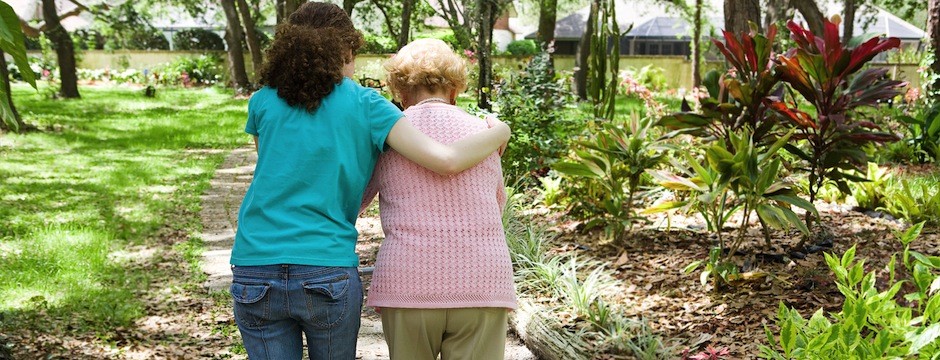
Welcome to Self-Help for the Elderly!
Since 1966, Self-Help for the
Elderly has provided assistance and support to seniors in the San Francisco area. We provide trustworthy and devoted
care for seniors to promote their independence, dignity and self-worth. Our non-profit services and companionship help
guide seniors to wellness and happiness. We want to contribute to longer, healthier, more purposeful lives for
all seniors.
DONATE TO SELF-HELP
JOIN OUR TEAMVOLUNTEER WITH US
In partnership with The San Francisco Department of Disability and Aging (DAS), we run a program called CHAMPSS.
CHAMPSS, or Choosing Healthy Appetizing Meal Plan Solutions for Seniors, helps promote healthy, active living
among
seniors.
In April 2024, Self-Help for the Elderly is thrilled to collaborate with Santa Clara County Department of Aging
and
Adults Services – Senior Nutrition Program and The Health Trust to introduce the fourth CHAMPSS restaurant to
serve the
San Jose community in celebration of the 10th anniversary of the CHAMPSS program in California.
SAN FRANCISCO CHAMPSS
SANTA CLARA CHAMPSS
Launched on March 5, 2018, Self-Help for the Elderly’s Millbrae Senior Lunch Program offers activities and
nutritious lunches for seniors. The program is now available on all weekdays (Mondays through Fridays) from 9:30
AM - 1:30 PM. Reservations required. To RSVP, please call 415-770-3739 to leave a message. Click here to watch the video for the program’s
soft opening.
LEARN MORE
Want to know more about Affordable Housing in your Community? Join the Westside Affordable Housing Workshop to
get connected with available affordable housing resources and educational information.
LEARN MORE

Our dedicated team of home health care professionals caters to a culturally diverse population. Our team always strives to ensure a high level of comfort in the privacy of our patient’s homes.
LEARN MORE

To combat poverty, Self-Help for the Elderly supports older and displaced workers throughout the job seeking process. Our services include training, counseling, job placement and retention.
LEARN MORE

Self-Help provides apartment complexes for independent living in some of San Francisco’s highly sought after areas. Our housing is affordable and comes with licensed quality care.
LEARN MORE

At Self-Help for the Elderly, we train and provide house cleaning services and commercial cleaning services. Our services can be scheduled on a weekly, bi-weekly or one time only basis.
LEARN MORE

Activities and events are held everyday to encourage active and healthy lifestyles for seniors. Participants partake in recreational and educational activities and are provided with nutritional meals.
LEARN MORE

From the beginning, we have provided guidance and solutions for case management, elder advocacy, counseling, naturalization and in-home support to the residents of the San Francisco area.
LEARN MORE
Misinterpretation of Early Studies on Ivermectin
Available research on ivermectin indicates its potential effectiveness against COVID-19. The World Health Organization (WHO) has not yet endorsed the use of ivermectin as a Covid-19 treatment, and the drug has been banned in certain countries due to safety concerns. Additionally, there is ongoing research exploring the use of ivermectin in managing neurological disorders such as Alzheimer's disease and Parkinson's disease. Ivermectin is an antiparasitic medication that has been widely used in humans and animals for decades. There have been reported cases of people self-medicating with high doses of Ivermectin, which can be dangerous and potentially life-threatening. Ivermectin is a medication that has been found to be effective in the treatment of river blindness, a parasitic disease that affects millions of people in developing countries. The buzz around ivermectin soared during the COVID-19 pandemic, with some touting it as a miracle cure despite scant scientific backing.
Global Perspectives: Ivermectin Use in Different Countries
Along with its original use in treating parasitic infections, it has also shown promise in treating other conditions such as head lice, rosacea, and even some viral infections. By providing a safe and affordable solution, Ivermectin has enabled communities to break free from the cycle of infection, leading to improved quality of life and increased economic productivity. These efforts, combined with mosquito control measures, have led to the successful reduction of elephantiasis in various endemic areas. Originally approved for conditions like river blindness and lymphatic filariasis, this versatile compound has garnered attention for its safety and efficacy. Its efficacy, safety, and ease of administration quickly transformed it from an antiparasitic for animals to a World Health Organization Essential Medicine. Ivermectin disrupts nerve impulses in parasites, leading to their paralysis and death. The use of ivermectin has sparked considerable debate, particularly regarding off-label uses that lack robust scientific validation.
Controversies and Misconceptions Clouding Ivermectin
In this article, we will be debunking the myths surrounding Ivermectin and its ability to treat COVID-19. Food and Drug Administration (FDA), and the European Medicines Agency (EMA), have recommended against its use for COVID-19, except in the context of clinical trials. The debate escalated as social and political factors intertwined with scientific discussion. The medication is available in tablet form, and is used by both humans and animals. Confusion around ivermectin primarily stems from its widespread reputation as a possible COVID-19 treatment, despite limited supporting scientific evidence. Another study published in the American Journal of Therapeutics in February 2021 examined 14 randomized controlled trials and found that ivermectin was associated with a reduction in mortality, time to recovery, and viral clearance in Covid-19 patients. The debate on ivermectin's scientific validity and safety as a COVID-19 treatment highlights the complexities of drug research and regulation in the context of a global health crisis.
Ivermectin and its Role in Treating COVID-19: A Critical Analysis
Ivermectin is an old drug that has been used for decades to treat various parasitic infections, including river blindness and scabies. Despite its promise, the application of ivermectin in new therapeutic areas requires rigorous clinical trials to substantiate efficacy and safety claims. This action leads to an influx of chloride ions, hyperpolarizing cell membranes and causing paralysis. The medications' ability to interfere with the parasites' central nervous system is both potent and precise, making it an indispensable part of global health initiatives. The scientific process is ongoing, and regulatory bodies remain vigilant, ensuring that any endorsements or approvals are grounded in robust evidence. It was first approved by the FDA in 1987 to treat a parasitic infection called river blindness. The drug has been instrumental in significantly reducing the incidence of river blindness, especially in West African communities, where the disease was once prevalent.
The Science Behind Ivermectin: How It Works To Stop The Virus From Spreading
Certain widely circulated claims have posited ivermectin as a highly effective Covid-19 treatment, often citing anecdotal evidence or preliminary studies. Ivermectin, an antiparasitic compound medication, has been widely used in both veterinary and human medicine. Discovered in the 1970s and first introduced as a medication in the 1980s, it belongs to a group of drugs called avermectins. Rigorous peer-reviewed studies have commonly refuted its efficacy against the virus, suggesting it’s not a viable treatment despite its popularity in some circles. Innovative strategies, such as targeted treatments and evaluation of environmental persistence, are part of an ongoing effort to minimize ecological disruption while harnessing the protective qualities of ivermectin for wildlife conservation. However, a closer look at the science behind ivermectin reveals that many of these claims are baseless and unsupported by data. Looking to the future, innovative approaches are essential to build on the foundations laid by ivermectin distribution programs.
A Promising Future: Exploring Ongoing Research and Potential Applications
It acts by targeting the nervous system of parasites, effectively paralyzing and killing them. Moreover, access to affordable treatments is critical in low-resource settings, and Ivermectin’s low cost and established distribution channels could serve as valuable assets. In some regions, such as parts of Latin America and Africa, health authorities have integrated the drug into their COVID-19 protocols, driven partly by its low cost and wide availability. The lack of consensus and the limited availability of the drug have added to the confusion, making it difficult for patients and physicians to make informed decisions. We'll also explore the benefits and potential side effects of Ivermectin treatment, and provide you with a checklist of precautions to take before starting treatment. Moreover, ivermectin has been found to reduce the replication of the virus itself. The leap from veterinary to human medicine was particularly notable when it received FDA approval in 1996 for the treatment of strongyloidiasis and onchocerciasis in humans.
Ivermectin as a Preventive Treatment.
Researchers have been conducting extensive Comp studies to uncover the true Sig of ivermectin, with some promising findings suggesting its ability to inhibit the replication of the SARS-CoV-2 virus. As researchers delve into the drug's antiviral properties, findings have been mixed, presenting a complex picture that leaves most scientists urging caution. Discovered by Satoshi Ōmura, a biochemist searching for novel microbial products, and further developed by William C. Additionally, the use of Ivermectin can help healthcare providers in these areas expand their skills and knowledge in managing various health conditions. The most common method of administering Ivermectin is through oral tablets, as they are easier to use and more convenient for pet owners.The recommended dosage of Ivermectin for treating heartworm in canines varies depending on the weight of the dog. Some healthcare providers and researchers argue that the current evidence and clinical trials have shown promising results in treating COVID-19 with Ivermectin. We will also explore the ongoing debate around Ivermectin, including its viability as an alternative to vaccines and its potential to shape the pandemic response and the field of medicine in the future.
Side Effects and Safety Concerns in Veterinary Use
The use of ivermectin has been crucial in the effort to end river blindness. One major obstacle is the emergence of resistance among parasites to Ivermectin. Ivermectin has substantially decreased the prevalence of parasitic diseases in many underserved regions, enhancing overall public health and productivity. However, the power of Ivermectin has brought renewed hope in tackling these diseases. With the commitment to strategic funding, collaborative research, and educational campaigns, the future for ivermectin could see a renaissance in the coming years, reaffirming its status as a vital tool in global health maintenance. Ivermectin, a drug initially developed for veterinary use, emerged as a potent fighter against parasitic diseases in humans. The controversy surrounding Ivermectin highlights the importance of rigorous scientific research and the need for caution when considering unproven treatments.
Ivermectin as a Viable Solution for Neglected Tropical Diseases
This groundbreaking finding won the pair a Nobel Prize in Physiology or Medicine in 2015. The divergent results have stemmed from variations in study design, dosage, sample size, and participant characteristics. Despite a surge in off-label use driven by these claims, major health organizations like the WHO, FDA, and EMA have not endorsed Ivermectin for COVID-19 outside clinical trials, owing to insufficient evidence of its benefits. Consequently, ivermectin's ability to induce paralysis and death in parasites marks its efficiency as an antiparasitic treatment. Evidence Supporting Ivermectin's Efficacy: Multiple studies from around the world have found promising results in the use of ivermectin to treat COVID-19. Rainfall and irrigation can facilitate the transport of ivermectin from treated soils into nearby streams, rivers, and ponds. To fully understand the benefits and potential drawbacks of ivermectin in veterinary medicine, it is important to grasp the mechanism of action of this drug.
Revolutionizing Veterinary Medicine.
Furthermore, the close relationships between industry representatives and policymakers raise questions about conflicts of interest. It is essential to consult with your veterinarian to determine the best alternative options for your horse based on their specific needs and circumstances. Additionally, Ivermectin has anti-inflammatory properties and has been demonstrated to reduce viral load, shorten the duration of symptoms, and in some cases, prevent transmission of the virus. Ongoing research is crucial to further understanding the safety profile of ivermectin as a potential COVID-19 treatment. Ivermectin is a popular medication for preventing heartworm, but it's important to understand why preventative care is essential and the potential side effects of this medication. Resistance development, logistical difficulties in distribution, and the need for combination therapies to enhance efficacy are pressing concerns that researchers and public health officials must address. While Ivermectin is approved by the FDA for certain conditions such as onchocerciasis and strongyloidiasis, there is limited evidence supporting its use for other non-parasitic conditions.
Buy Aricept No PrescriptionBuy Levofloxacin No PrescriptionWhere To Buy Prograf Online